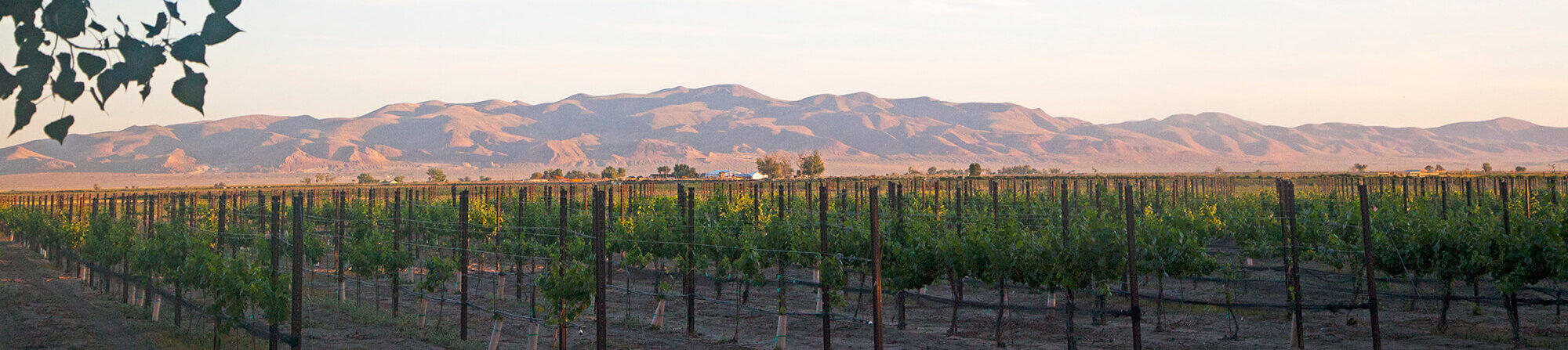
Agritourism in Nevada

Are you an agritourism operator?
Whether you own a generations-old farm or are interested in starting your first business, we are here to help. Follow the links below for resources to start (or develop) your operation. We’ve also got a directory of agritourism operators across the state in case you’re interested to learn about what other businesses are doing.
If you have questions about any part of the process (or if you have a business that’s not in our directory) reach out to our team. If we don’t know the answer, we’ll get you in touch with someone who does.
“Where tillage begins, other arts follow.”
Daniel Webster
Why Agritourism?
Nevada is one of the country’s top tourist destinations. Each year, tens of millions travel to the state for outdoor adventure, urban excitement, or an unforgettable road trip. Visitors come for a good reason: From big cities to small towns, our high-quality visitor experiences reflect decades of investment, support, and innovation.
However, despite the Silver State’s tourism expertise, one sector of the visitor economy remains relatively underdeveloped: agritourism.
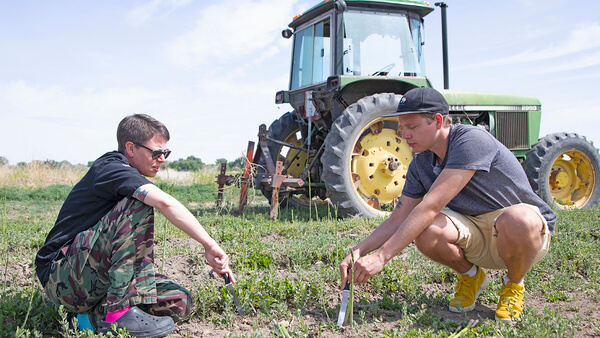
Agritourism is already becoming an important market. Between 2012 and 2022, revenue across the U.S. nearly doubled to $1.8 billion.
The Silver State has deep roots in agriculture. From Paradise Valley in the north to Moapa Valley in the south, these operations—often generations-old and family-owned—dot the landscape and produce goods ranging from alfalfa to wagyu beef to lavender.
Nevada’s ranches, farms, and producers number in the thousands and are economic staples of their respective communities. This is particularly true in Nevada’s rural areas, where agriculture provides tens of thousands of jobs and represents a significant part of the local economy.
In other words, Nevada already has a strong agricultural foundation. Agritourism simply gives producers another way to generate income. This is good for small business, and it’s good for rural communities.
So, why does the industry lag behind?

What is Agritourism?
Think “agritourism” and you might imagine scenes at berry farms and petting zoos. Those are all good examples, but they just scratch the surface of an incredibly diverse industry—one that offers experiences for every kind of visitor.
Agritourism is wine-making classes and urban learning gardens. It’s seasonal festivals, ranch weddings, and farmers’ markets. Agritourism is anything that allows consumers to directly support or interact with agricultural businesses.
Barriers & Opportunities
Anyone who’s been to places like Fallon or Carson Valley knows there is a core of agritourism experiences across the state. But there could be far more. For example, the 2022 census of agriculture reported only 6% of Nevada’s 3,122 farms offered direct-to-consumer experiences.
To understand the factors that limit agritourism’s growth—and to identify opportunities for growth—Travel Nevada and Whereabout produced a study: “Agritourism in Nevada: A Study of Opportunities and Barriers.”
In the report, they interviewed agricultural producers across the state to understand the challenges in offering direct-to-consumer products. The report found that many barriers are administrative, legal, or economical.
For example, unlike other Western states, Nevada has no dedicated agritourism statute, which creates a challenging environment to find appropriate liability insurance. This also means that counties and cities have mismatched regulations for starting and maintaining an agritourism business.
The report identifies a variety of other issues, from the difficulty operators face in accessing capital to a nascent state resources, promotional materials, and training tools. Click here for a summary of the study.

Together, these barriers form a challenging environment for growth that might also discourage or dishearten prospective business. Fortunately, there are solutions to each problem. In time, this industry can evolve from a nascent industry into one of the state’s fastest-growing tourism sectors—and just one more reason visitors might choose the Silver State.
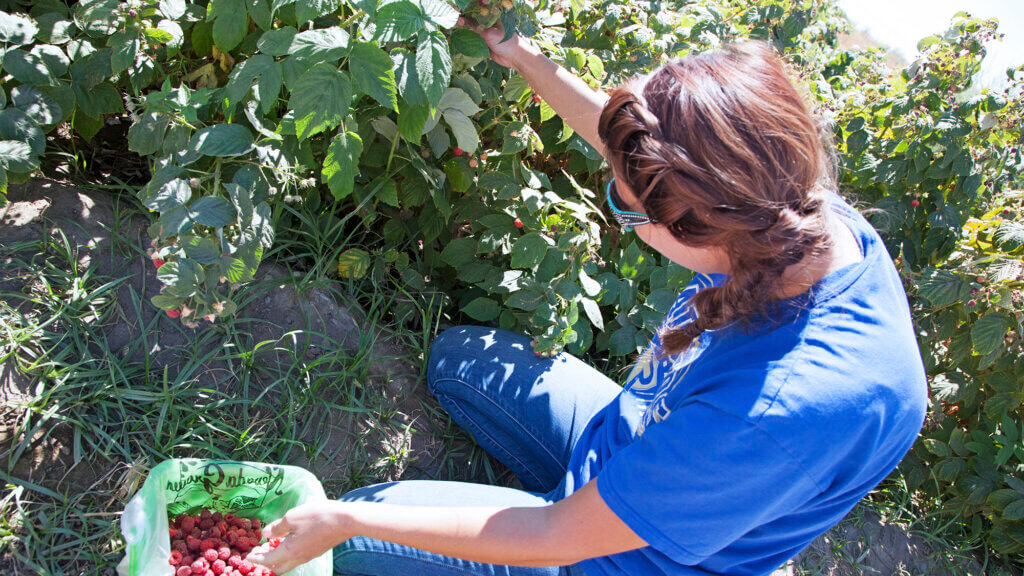
Let’s Grow Agritourism
Together, we can create a better environment for agritourism to flourish. Click the links to explore tools and resources for policy makers and businesses. You can also check out our directory of current operators and events across the state.